
AGS Expert Advisory Council
Goal
To convene a cohort of alpha-gal syndrome experts to advise coordinated strategies to improve the lives of people affected by alpha-gal syndrome.
Steering Committee

Debbie Nichols
Co-founder, Alpha-gal Foundation

Candice Matthis
Co-founder, Alpha-gal Foundation

Sharon Forsyth
Executive Director Alpha-gal Alliance
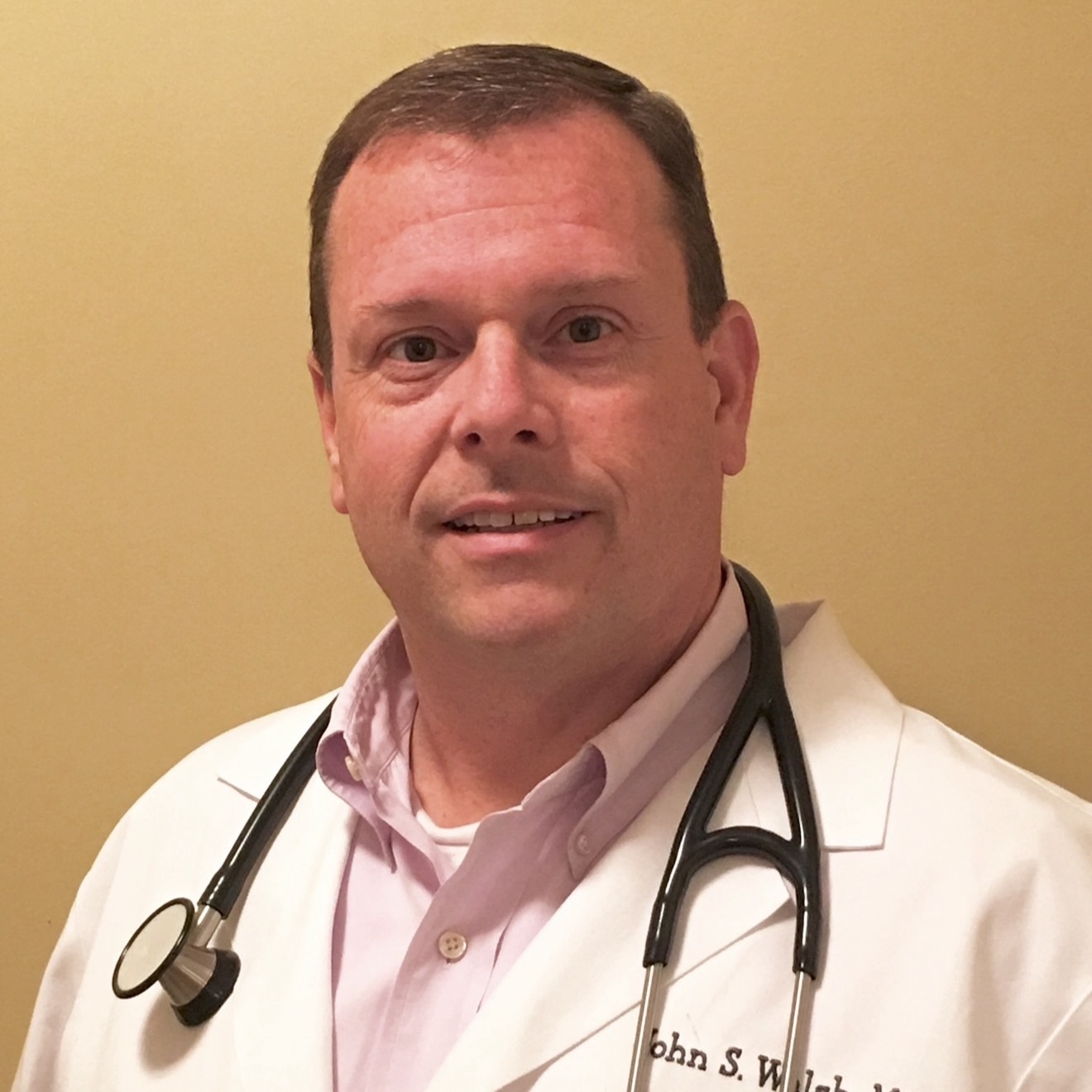
John S. Walsh, MD
Physician / Vice President, Medical Affairs
Zura Bio / MD Now Urgent Care
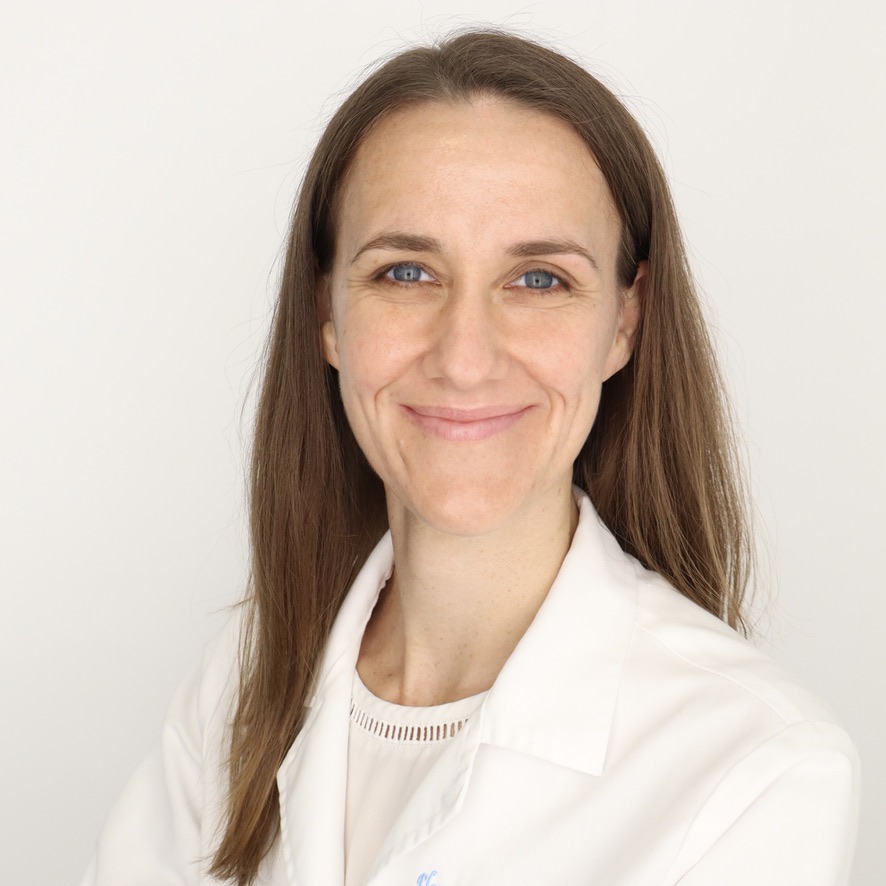
Eleanor Saunders, MD, MPH
Clinical Assistant Professor
University of North Carolina at Chapel Hill
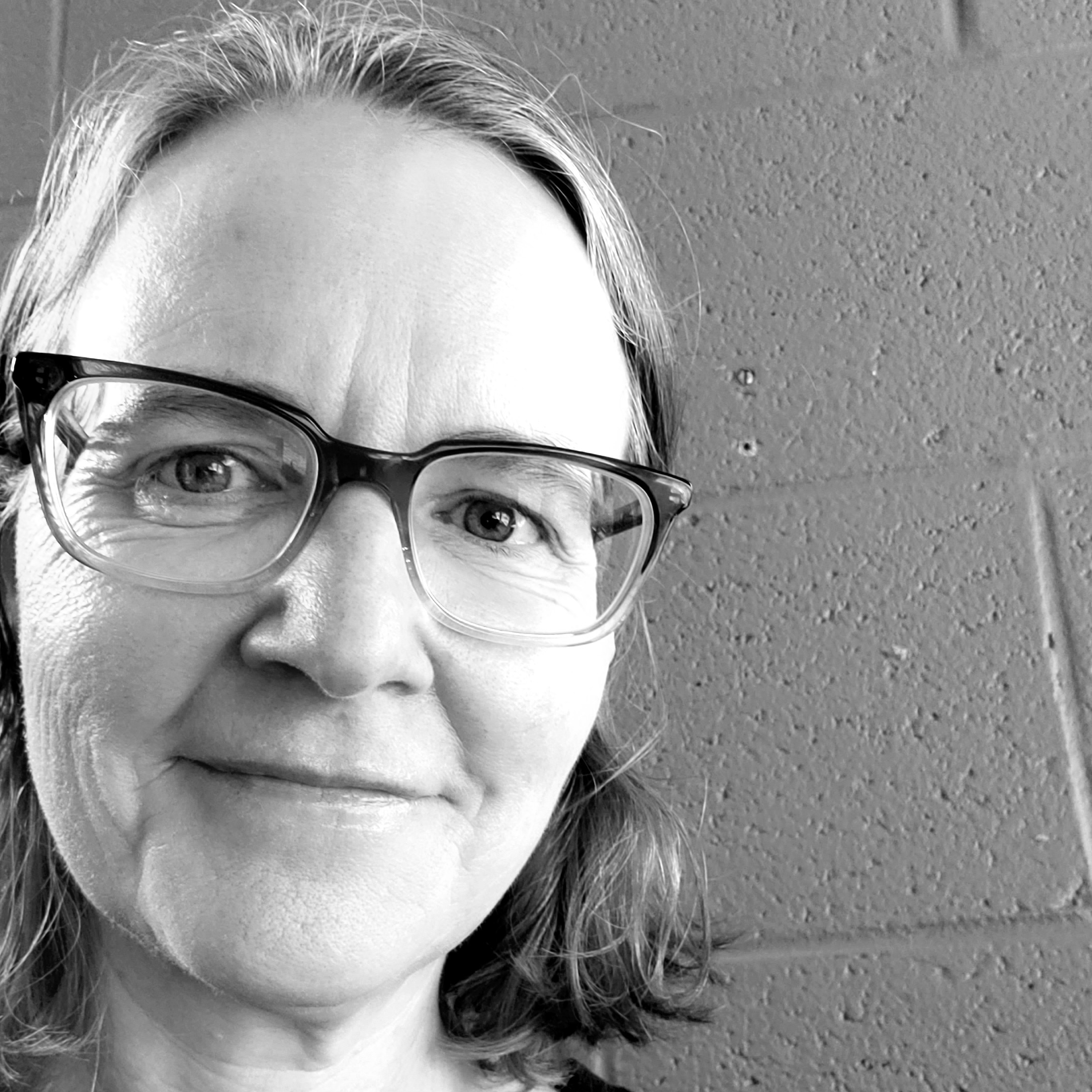
Julia M. Murphy, DVM, MS, DACVPM
State Public Health Veterinarian
Virginia Department of Health
Distinguished Scientific Advisor

Thomas A Platts-Mills, MD
Professor of Medicine and Microbiology
University of Virginia
Bio
Thomas Platts-Mills, MD, is a professor of medicine and microbiology at UVA. The son of a British member of parliament, he was educated at Balliol College, Oxford, and received his medical training at St. Thomas’ Hospital Medical School in London. He earned a PhD from London University and completed a fellowship in allergy/immunology at Johns Hopkins University under the tutelage of Kimishige Ishizaka. He has been a member of Britain’s Royal College of Physicians since 1971.
Dr. Platts-Mills joined UVA’s faculty in 1982, and has served as chief of the Allergy division since 1993. He has also served a term as president of the American Academy of Allergy, Asthma, and Immunology (AAAAI).
In 2010, Dr. Platts-Mills was elected a Fellow of the Royal Society for his research into the causes of asthma and allergic disease. The Royal Society is the United Kingdom’s national academy of science and the oldest scientific academy in the world. Only a small number of fellows are physicians, and Platts-Mills is the first allergist ever elected. His election was based on more than 30 years of research on the role that dust mite, cat and cockroach allergens play in the development of allergic disease and asthma.
Immunology

Scott P. Commins, MD, PhD
Dr. William J Yount Distinguished Professor
University of North Carolina at Chapel Hill
Bio
Dr. Scott Commins is the William J. Yount, MD Distinguished Professor at The University of North Carolina at Chapel Hill where he is a member of the UNC Food Allergy Initiative, the Institute for Global Health and Infectious Diseases, and the Southeastern Center of Excellence for Vector Borne Diseases. Dr. Commins maintains an active clinical practice and research program related to the alpha-gal mammalian meat allergy syndrome, eosinophilic esophagitis, venom allergy, and the human immune response to tick bites.
Dr. Commins received his M.D. & Ph.D. (Biochemistry & Molecular Biology) from the Medical University of South Carolina (Charleston, SC). Following a residency in Internal Medicine, Scott completed a fellowship in Allergy and Clinical Immunology at The University of Virginia (Charlottesville, VA). He is an author for UpToDate (Food allergy in adults; Allergy to meats), and serves as the Chief Editor for the Drug, Venom & Anaphylaxis section of Frontiers. Dr. Commins is the immediate past-president of the Southeastern Asthma, Allergy, and Immunology Society and was a member of the Congressionally-appointed Tick-Borne Disease Working Group (2018-2020) where he was co-chair of the alpha-gal syndrome and public comment subcommittees.

Jeffrey Wilson, MD, PhD
Associate Professor of Medicine
University of Virginia
Bio
Jeffrey Wilson is a clinician-investigator in the Division of Allergy and Immunology at the University of Virginia. Dr. Wilson is recognized for clinical expertise in the diagnosis and management of alpha-gal syndrome and has been involved in DoD and NIH-sponsored studies to investigate AGS epidemiology, natural history and risk factors. He has published over 25 papers on AGS, including seminal studies linking IgE to alpha-gal and other food allergens with cardiovascular disease.
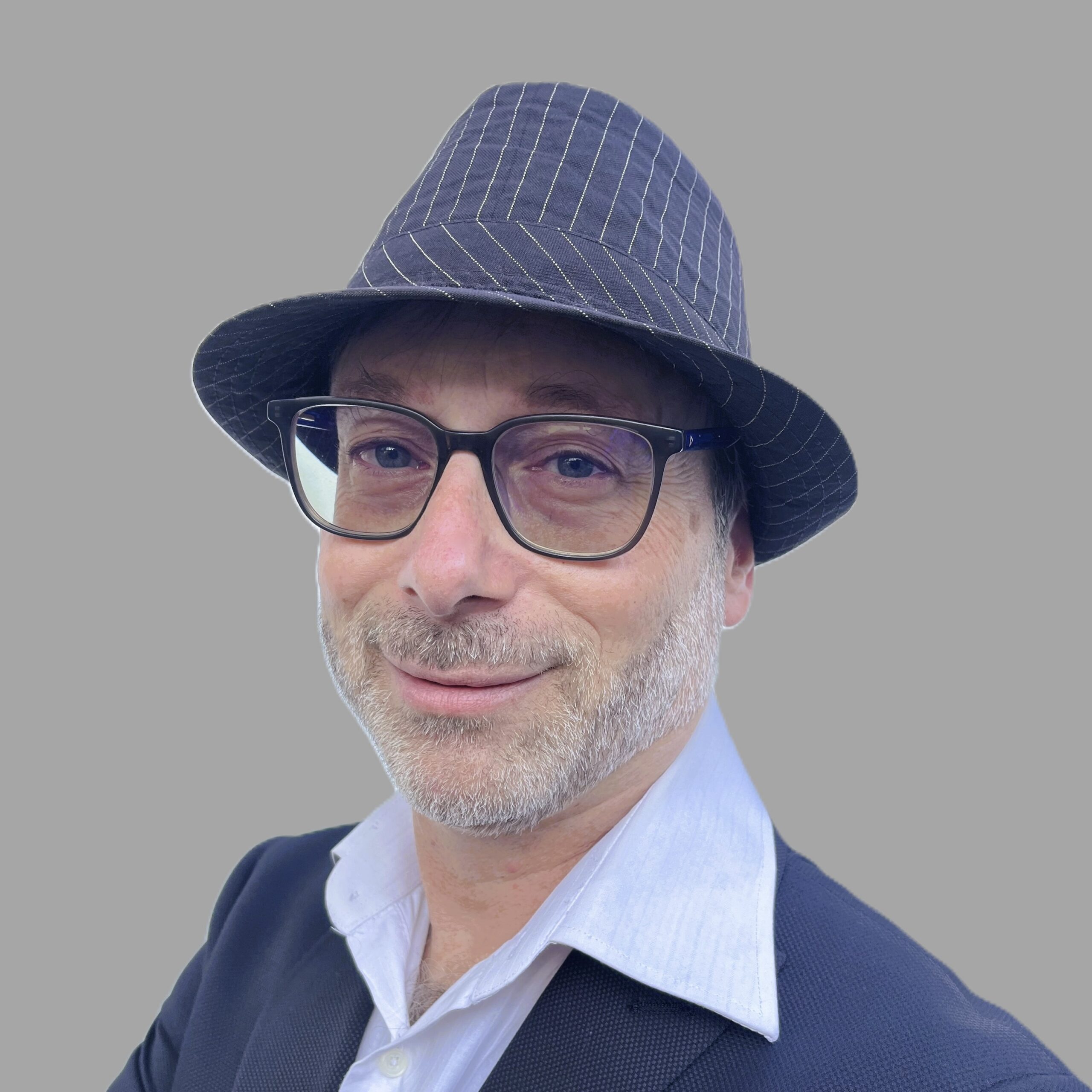
Michael Levin, MBChB, PHd
Professor
University of Cape Town
Bio
Prof Mike Levin is head of the Division of Allergy in the Department of Paediatrics at the University of Cape Town and runs a major paediatric allergy service at Red Cross War Memorial Children’s Hospital in Cape Town. He has led pioneering work on alpha-gal allergy in rural South African communities resulting in better understanding of the use of alpha-gal specific IgE in the diagnosis of alpha gal syndrome, and recent work defining tick-related drivers of alpha-gal syndrome in South Africa.He serves on the executive committee of the Allergy Society of South Africa, is CEO of the Allergy Foundation of South Africa and is the founding president of the newly launched African Alliance of Allergy and Clinical Immunology (AFRICALLI), a pan-African network focused on strengthening allergy and immunology care across the continent.
His research portfolio includes more than 150 peer-reviewed publications, book chapters, and editorial work on major paediatrics and allergy textbooks, with a strong focus on the epidemiology of allergy in Africa, urban-rural differences in allergy, severe allergy and anaphylaxis, meat-induced anaphylaxis,and patient support and education.
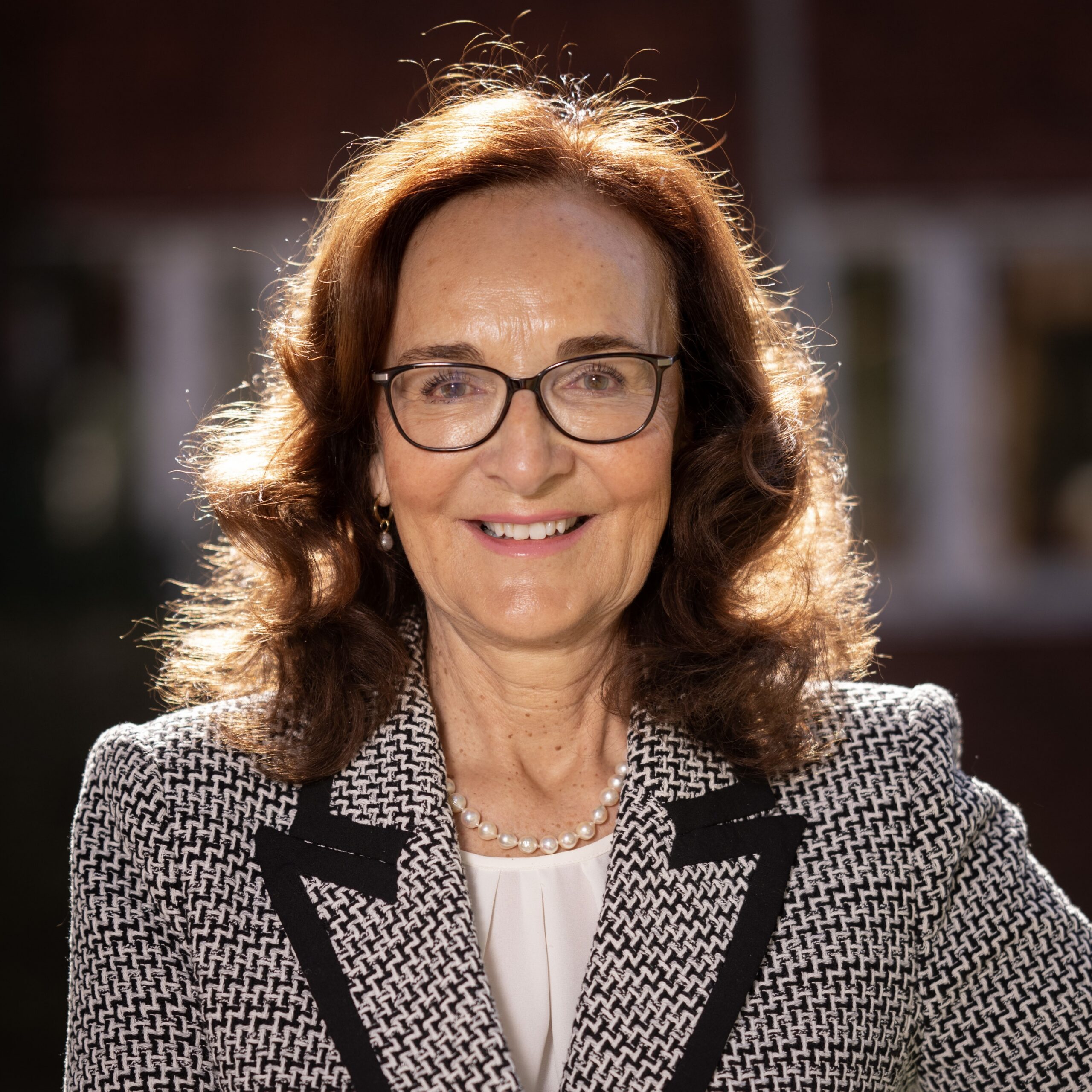
Marianne van Hage, MD, PhD
Professor
Dept. of Medicine Solna, Karolinska Institutet
Photo by Stefan Zimmerman at Karolinska Institutet
Bio
Marianne van Hage is Senior Professor of Clinical Immunology at Karolinska Institutet, Stockholm, Sweden, where she also obtained her M.D. and Ph.D.
Dr. van Hage has pioneered research in molecular allergology for more than 3 decades. She has made significant contributions to the understanding of alpha-Gal syndrome (AGS). Dr. van Hage has elucidated the various clinical manifestations and molecular allergen profiles of the disease in Sweden, demonstrated the presence of alpha-Gal-carrying proteins in tick saliva and characterized immunological and cellular mechanisms underlying the disease. Dr. van Hage has further advanced clinical management by characterizing allergenic risks associated with mammalian food products in patients with AGS. She has close collaboration with the Alpha-Gal board within the Swedish Asthma and Allergy Association.
Dr. van Hage has delivered prestigious lectures and received multiple awards, including the 2025 Paul Ehrlich Award for Experimental Research from the European Academy of Allergy and Clinical Immunology, which recognizes, among other achievements, her significant contributions to advancing the understanding of Alpha-Gal syndrome. She serves on the boards of several scientific foundations and international journals, and has authored more than 430 scientific publications, including original articles, reviews, editorials, and book chapters.
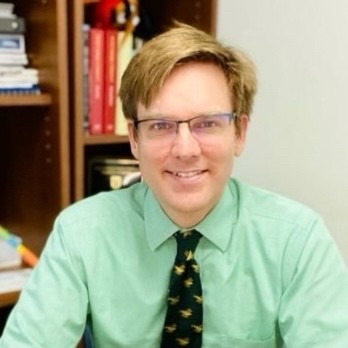
John C. Carlson, MD, PhD
Allergist/Immunologist
Ochsner Health System
Bio
John Carlson is an allergist/immunologist and entomologist/parasitologist in the Ochsner Health System, located in New Orleans, Louisiana. His research and clinical work has focused on the immune reactions to arthropods, including venom-induced anaphylaxis and asthmatic reactions to cockroach allergens.
Gastroenterology
Cardiovascular & Thoracic Surgery
Infectious Disease

Sarah McGill, MD, MSc
Professor of Medicine, Gastroenterology
University of North Carolina at Chapel Hill
Bio
Sarah McGill, MD, MSc is a gastroenterologist and researcher at the University of North Carolina-Chapel Hill. She specializes in the diagnosis and management of alpha-gal syndrome, particularly in patients with predominant gastrointestinal symptoms such as abdominal pain, diarrhea, nausea, and vomiting. Dr. McGill was the first gastroenterologist to document alpha-gal syndrome in the GI literature, and she is internationally recognized for her expertise in this area. She frequently speaks to GI audiences about alpha-gal syndrome and works closely with allergists and patients to advance research and deepen understanding of the condition’s gastrointestinal manifestations.

Joseph W. Turek, MD PhD, MBA
Chief, Pediatric Cardiac Surgery
Duke University
Bio
Dr. Turek is one of the foremost innovators in congenital heart surgery. Most notably, he performed the world’s first co-transplant of heart and thymus, in an operation that could usher in an era in which transplant recipients can develop tolerance to their newly transplanted organ. In another highly innovative operation, he performed the world’s first partial heart transplant for a newborn without functioning heart valves, maintaining growth capacity of the newly implanted valves. Additionally, he led the nation’s first pediatric donation after circulatory death heart transplant with ex vivo reanimation, and then did the same with in situ reanimation, as a means to expand the already limited donor pool of available organs. Most recently, he introduced the novel technique of on-table reanimation to address ethical concerns with circulatory death heart procurements which was designated as one of the five greatest health innovations of 2025 by Popular Science.
For his innovative work, he was named to TIME100 Health, representing the world’s 100 most influential leaders in health. His clinical passion and expertise lies in high complexity neonatal heart surgery. His laboratory studies heart transplantation tolerance, living root transplantation, xenotransplantation, Marfan syndrome, and the role of alpha-gal sensitization in biologic valve degradation.
Eleanor Saunders, MD, MPH
Clinical Assistant Professor
University of North Carolina Chapel Hill
Bio
Dr. Eleanor Saunders is a Hospitalist at the University of North Carolina at Chapel Hill. Dr. Saunders received her MD & MPH from the UNC School of Medicine and UNC Gillings School of Global Public Health, completed residency in Internal Medicine at Bellevue Hospital/NYU Langone Health, and completed fellowship training in Infectious Diseases at UNC. Dr. Saunders works on the epidemiology of alpha-gal syndrome with Dr. Scott Commins, one of the foremost experts on AGS.
Dermatology
Anesthesiology
Family Medicine / Emergency Medicine

Benjamin Casterline, MD, PhD
Assistant Professor of Dermatology
University of Missouri
Bio
Dr. Benjamin Casterline is an Assistant Professor of Dermatology at the University of Missouri School of Medicine and a general dermatologist at MU Health Care and the Harry S. Truman Memorial Veterans Hospital in Columbia, Missouri. He received MD and PhD degrees from the University of Chicago, where his doctoral research examined why the same exposure — such as a tick bite — can trigger very different immune responses in different people, a question that now drives his work on alpha-gal syndrome. In his clinical practice, Dr. Casterline cares for patients with alpha-gal syndrome, with particular expertise in skin symptoms such as hives and chronic itch. He is currently supported by a career development award from Washington University in St. Louis to study the range of clinical presentations in alpha-gal syndrome.
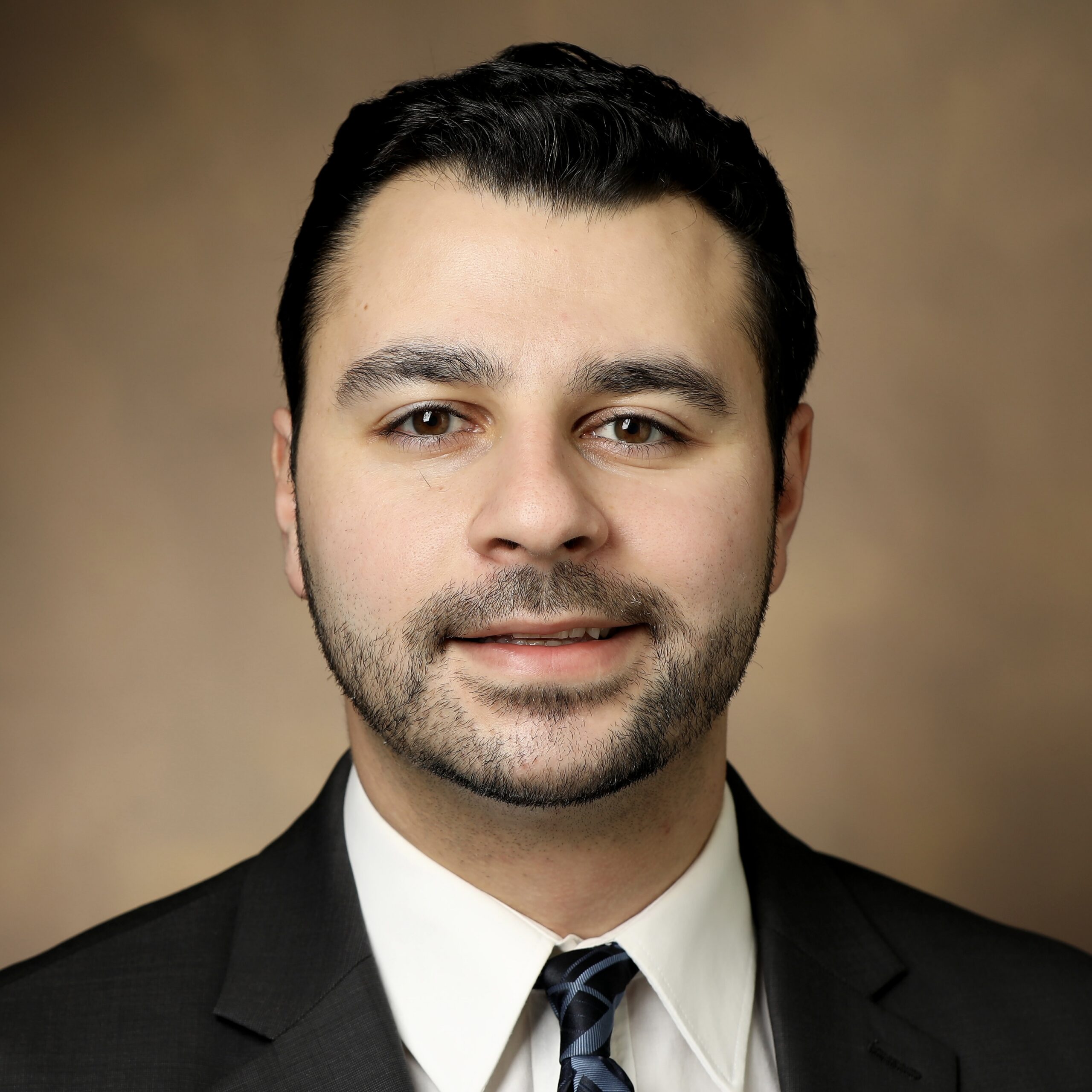
Maziar Nourian, MD
Assistant Professor
University of California, Los Angeles
Bio
Maziar Nourian is an adult cardiothoracic trained anesthesiologist who is currently an assistant professor at UCLA Department of Anesthesiology & Perioperative medicine. Maziar initially became involved with alpha-gal work after treating several patients with alpha-gal syndrome at Vanderbilt University Medical Center. Subsequently, he and other colleagues have compiled together perioperative recommendations for patients with alpha-gal syndrome undergoing surgery.
Maziar’s other research interests include capacity building in resource-variable settings with an emphasis on education and improved access to capnography for safer anesthesia.
John S. Walsh, MD
Physician / Vice President, Medical Affairs
Zura Bio / MD Now Urgent Care
Bio
John Walsh, MD is a physician and pharmaceutical medical affairs executive with more than 20 years of experience in family medicine, emergency medicine, clinical development, and medical affairs leadership. He currently serves as Vice President and Head of Medical Affairs, where he leads medical strategy and helps translate scientific evidence into meaningful outcomes for patients and healthcare professionals.
Dr. Walsh also lives with Alpha Gal Syndrome himself, giving him a unique perspective that bridges medicine, science and the patient experience. He understands the complexities of diagnosis, food and medication safety, hidden mammalian ingredients, healthcare navigation, and the day to day impact of living with AGS.
As a member of the Alpha Gal Syndrome Expert Advisory Council, Dr. Walsh is committed to advancing patient centered research, improving clinician education, increasing awareness, and ensuring that the lived experiences of patients help shape future diagnostics, therapies, and standards of care. He is honored to contribute both his medical expertise and personal experience to improve the lives of individuals living with Alpha Gal Syndrome.
Transfusion Medicine
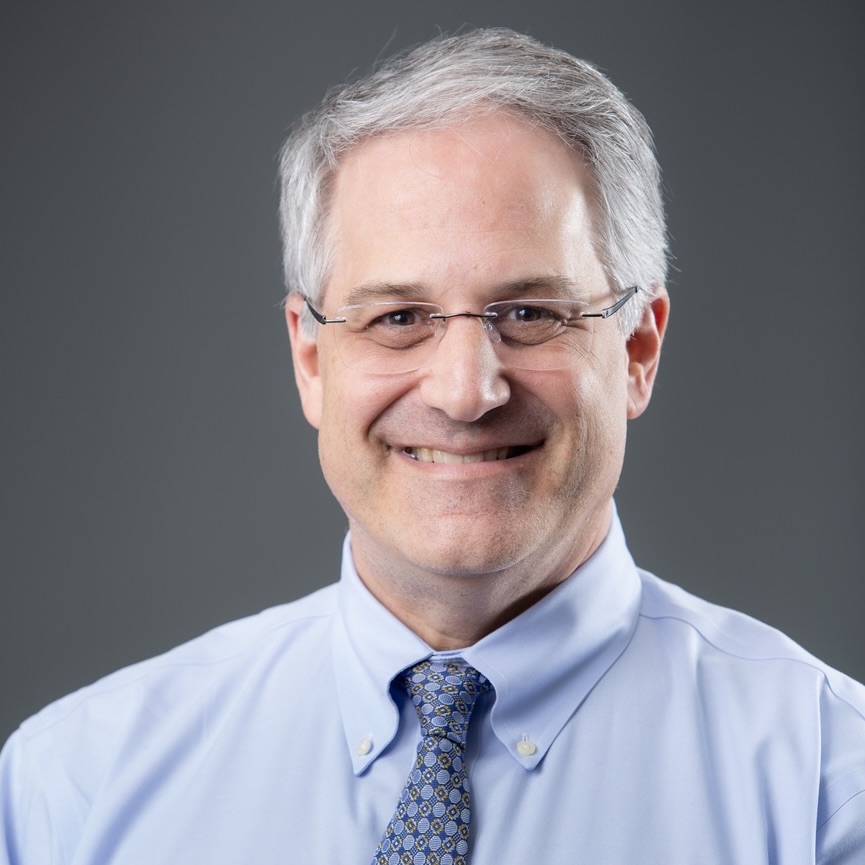
Richard Kaufman, MD
Professor of Pathology and Laboratory Medicine
Dartmouth Hitchcock Medical Center
Bio
Dr. Richard Kaufman received his M.D. and trained in clinical pathology and transfusion medicine at Washington University in St. Louis. Dr. Kaufman worked for many years in Boston as the medical director of the Brigham and Women’s Hospital/Dana-Farber Cancer Institute Blood Bank. He has previously chaired the U.S. Blood Products Advisory Committee. He is now a Professor of Pathology and Laboratory Medicine at Dartmouth-Hitchcock Medical Center in Lebanon, NH. Dr. Kaufman has pursued a variety of research interests in the field of transfusion medicine and serves as Editor-in-Chief of the journal, TRANSFUSION. His current research efforts are focused on understanding transfusion-related alpha-gal syndrome (“TRAGS”).
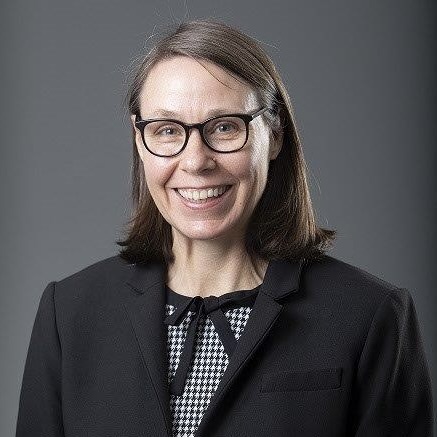
Nancy M. Dunbar, MD
Professor of Pathology and Laboratory Medicine
Dartmouth
Bio
Dr. Dunbar is the Medical Director of the Blood Bank at Dartmouth Hitchcock Medical Center. Her research involves improving the safety and availability of blood transfusion.
Public Health and Epidemiology

Lea Hamner, MPH
Local public health epidemiologist and researcher
Inter-Island Public Health Excellence Collaborative; Dukes County
Bio
Lea Hamner, MPH, is a public health epidemiologist based on Martha’s Vineyard, Massachusetts, specializing in tickborne diseases with a particular focus on Alpha-Gal Syndrome (AGS). As an epidemiologist serving the Cape Cod & Islands region, she works at the intersection of applied epidemiology, local public health, and community-based research to better understand and respond to emerging tick-associated conditions in highly affected communities.
Lea has been a leader in advancing AGS awareness and surveillance in Massachusetts, working with healthcare providers, academic partners, and national experts to characterize disease trends and inform public health strategy. She has helped establish early frameworks for AGS surveillance in non-reportable settings and built partnerships to support provider education while translating complex science into actionable information for clinicians and the public.
Julia M. Murphy, DVM, MS, DACVPM
State Public Health Veterinarian
Virginia Department of Health
Bio
Julia Murphy received her DVM from the Virginia-Maryland College of Veterinary Medicine (VMCVM) in 1992. After three years in large animal private practice, she returned to VMCVM to pursue a residency in production medicine, earning an MS in 1998. She became board certified by the American College of Veterinary Preventative Medicine in 1999 and began working for the Virginia Department of Health in 2002 and has served as the state public health veterinarian since 2006.
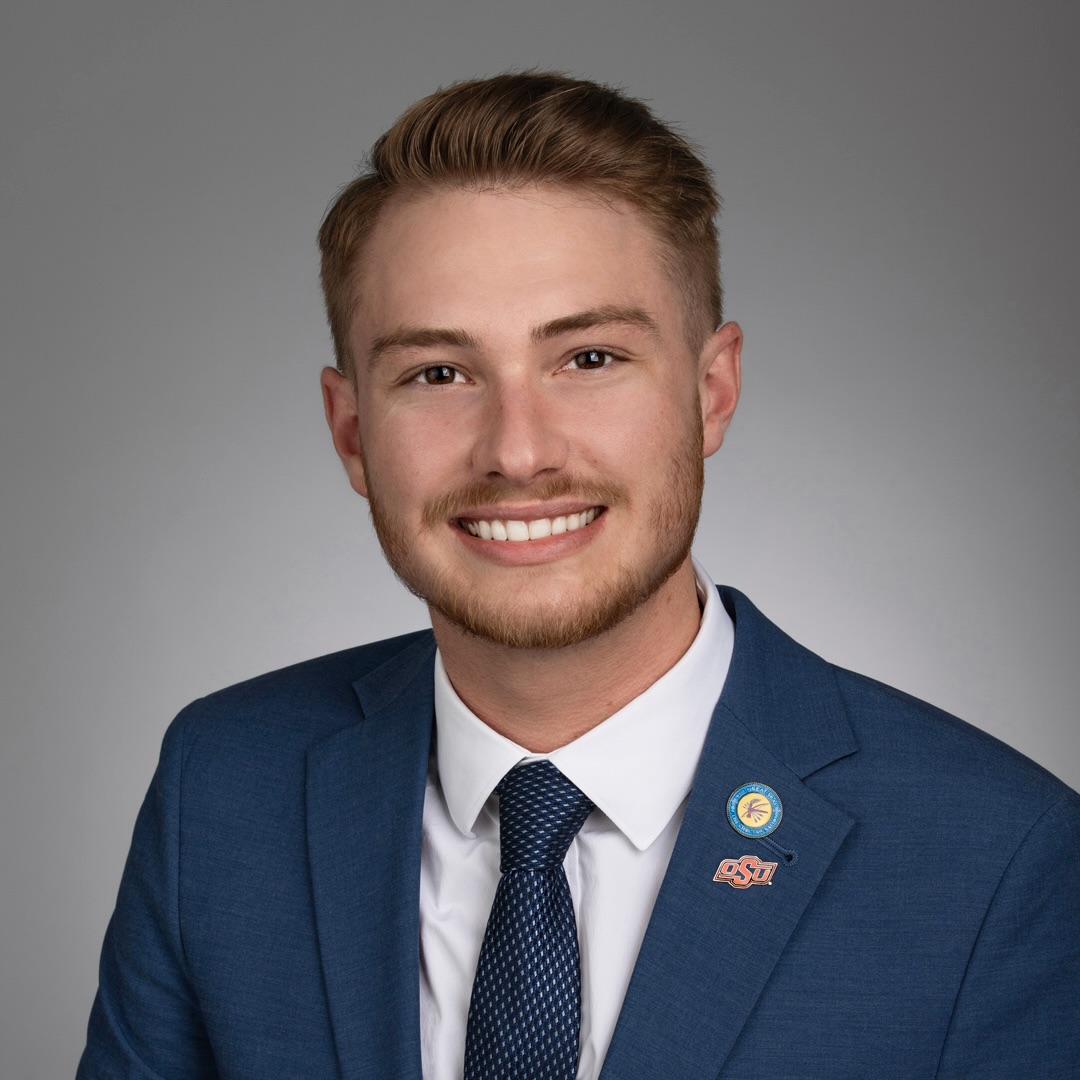
Mason Emert, MPH
Epidemiologist
Choctaw Nation of Oklahoma
Bio
Mason B. Emert, M.P.H., is an enrolled member of the Choctaw Nation of Oklahoma and currently serves as Choctaw Nation’s tribal epidemiologist. He oversees Choctaw Nation’s Disease Surveillance program and assists with program creation and accreditation within the Public Health Department. He works to conduct research and identify healthcare disparities, chronic disease trends, and infectious disease risks within the Choctaw Nation healthcare system and across the Choctaw Nation Reservation. He previously served as a political appointee of Chief Gary Batton, serving on the National Advisory Council for the HHS Agency for Healthcare Research and Quality. He participates as a representative of the Choctaw Nation in the data modernization consortium between the Choctaw Nation and other members of the Five Civilized Tribes of Oklahoma. Mr. Emert previously worked in emergency response efforts throughout the COVID-19 pandemic and was assigned to various states and counties, including Oklahoma City-County and the State of California.
Mr. Emert is currently a third-year medical student attending Oklahoma State University College of Osteopathic Medicine. Mr. Emert attended Oklahoma State University, earning undergraduate degrees in microbiology (cell and molecular biology) and nutritional sciences (human nutrition). Additionally, he earned a master’s degree in public health, concentrating on rural and underserved populations, from Oklahoma State University.
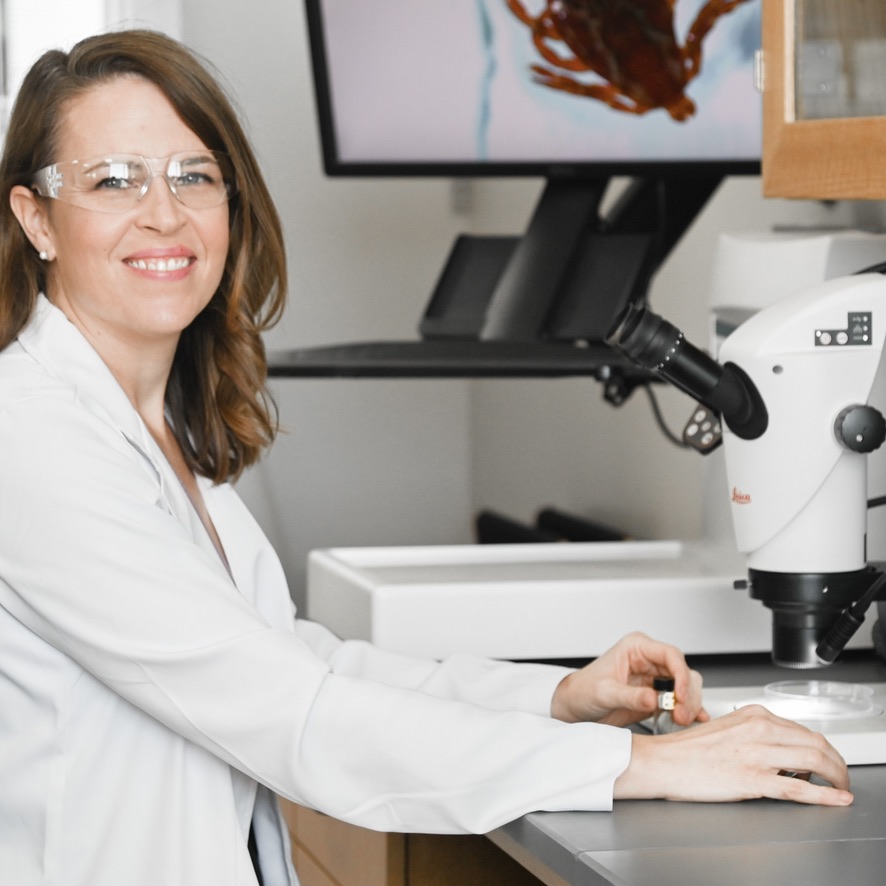
Emily Owens Pickle, PhD MPH
Assistant Professor
Old Dominion University
Bio
Dr. Emily Owens Pickle is an infectious disease epidemiologist and incoming Assistant Professor in the Joint School of Public Health at Old Dominion University and Norfolk State University. Her research focuses on the ecology, epidemiology, and immunologic drivers of tick-borne diseases, with particular emphasis on alpha-gal syndrome (AGS) and emerging tick-borne pathogens in the southeastern United States.
Dr. Owens Pickle has led and collaborated on multiple studies examining alpha-gal sensitization, tick exposure risk factors, and immune profiling among affected populations. She also works in statewide tick surveillance and emerging arbovirus detection, including research on Heartland and Bourbon viruses in South Carolina. Her work integrates epidemiology, field ecology, laboratory science, and public health communication to better understand and respond to vector-borne disease threats.
She is an active member of the American Society of Tropical Medicine and Hygiene and currently serves in leadership roles supporting trainees and is part of the scientific committee. Dr. Owens Pickle is passionate about improving awareness, diagnostics, prevention, and policy surrounding AGS and other tick-associated conditions.
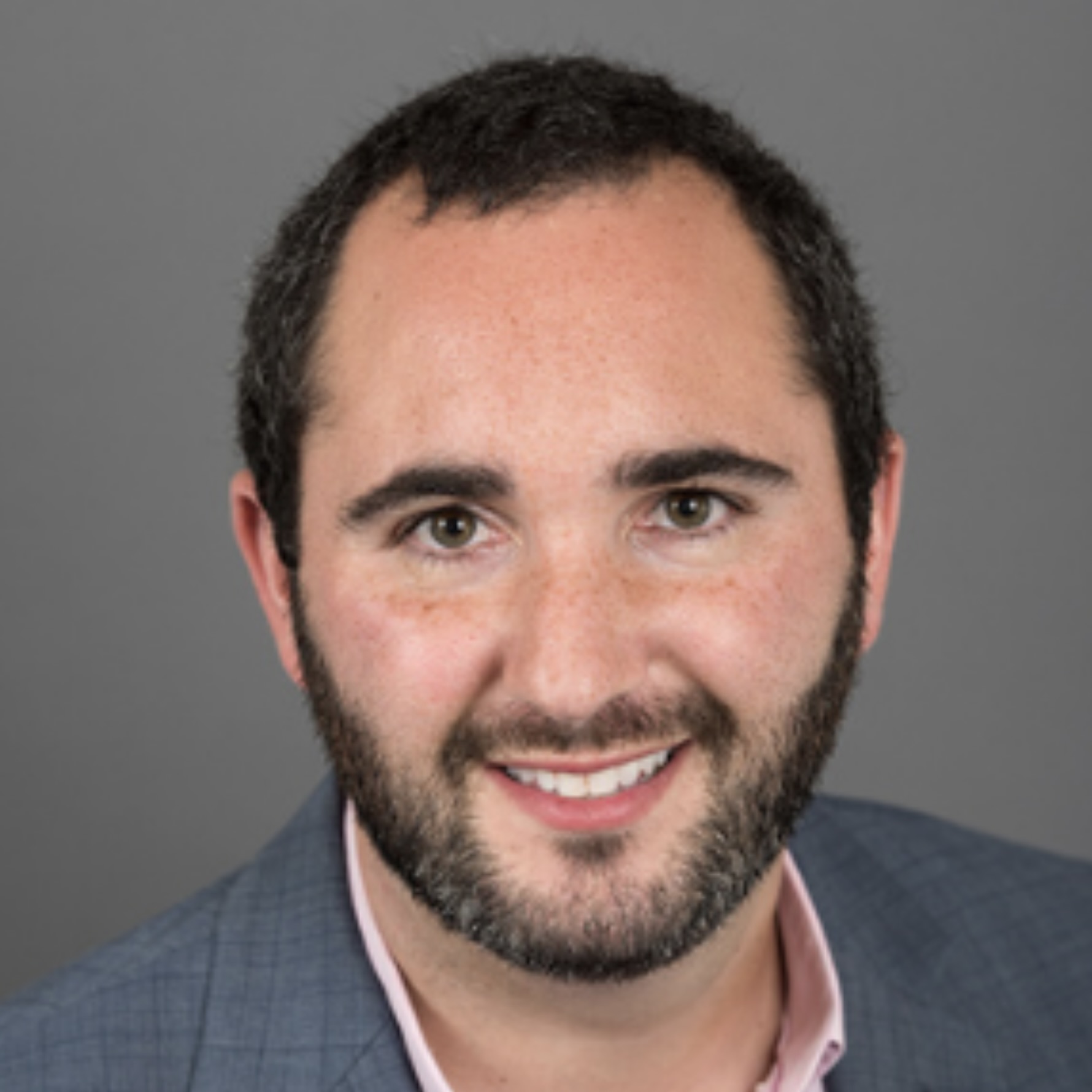
Benjamin Rader, PhD MPH
Scientific Director, Innovation | Assistant Professor
Boston Children’s Hospital & Harvard Medical School
Bio
Benjamin Rader is a Computational Epidemiologist who currently serves as the Scientific Director of Boston Children’s Hospital’s Innovation and Digital Health group and Assistant Professor at Harvard Medical School. Dr. Rader’s research focuses on leveraging digital technologies and data to improve public health and has appeared in JAMA, The New England Journal of Medicine, The Economist, U.S. Presidential addresses, and Supreme Court amicus briefs. He has helped advise numerous governments and agencies including the US CDC and UNICEF, and previously resided in Berlin, Germany with his family while serving as an AI advisor to the WHO Hub for Pandemic and Epidemic Intelligence. Dr. Rader, a former U.S. Army Officer and Johns Hopkins’ Emerging Leader in Biosecurity Fellow, received his Ph.D. from the Boston University and MPH from Northwestern University.
Pharmacology

Sachin Shah, PharmD, FACC, FAHA
Professor of Pharmacy
University of the Pacific
CEO, Pill Clarity Foundation
Bio
Sachin A. Shah, PharmD, FACC, FAHA, is a pharmacist-scientist and health advocate focused on improving patient safety through greater transparency in medical products. He is the CEO and co-founder of Pill Clarity Foundation and Pill Clarity, Inc – organizations dedicated to advancing ingredient transparency and reducing preventable harm for the 0.5 million Americans with alpha-gal syndrome and 17 million with other food allergies.
Dr. Shah is also a Professor of Pharmacy at the Thomas J. Long School of Pharmacy, University of the Pacific. His research includes alpha-gal syndrome and ingredients transparency, cardiovascular disease prevention and emerging public health topics (e.g. energy drinks safety, long COVID). His work has been featured by national and international media outlets including NPR, BBC News, and USA Today.
Vector Biology, Ecology, and Control

Holly Gaff, PhD
Professor
Old Dominion University
Bio
Dr. Holly Gaff is a Professor in the Department of Biological Sciences at Old Dominion University, and she is currently serving as Department Chair. Dr. Gaff earned her Ph.D. in Mathematics at the University of Tennessee, Knoxville. Dr. Gaff’s research interests have focused mainly on studying the ecology of ticks and tick-borne diseases through an active surveillance project and mathematical modeling. She has published more than 95 peer-reviewed articles and has had funding from NIH, CDC, DOD, USDA, and others. She currently leads the ODU Tick Research Team, which is a team of faculty, graduate and undergraduate students that have been working to better understand the ecology of ticks and tick-borne pathogens in Virginia for nearly 20 years. The ODU Tick Research Team has been running a long-term active tick surveillance program in Virginia since 2009, which has led to the discovery and mapping of tick populations moving into and across Virginia as well as spanning many other related projects. Dr. Gaff also holds an honorary appointment at the University of KwaZulu-Natal and works with scientists throughout southern Africa on the challenges of ticks and tick-borne pathogens there.

Bruce Noden, PhD
Professor
Oklahoma State University
Bio
Dr. Bruce Noden is currently a Professor of Medical and Veterinary Entomology in the Department of Entomology and Plant Pathology in the Oklahoma State University Ferguson College of Agriculture. Born and raised in Kenya, Bruce completed his undergraduate degree in Biology at Houghton College, near Buffalo, NY. He, then, completed his PhD at the Johns Hopkins University Bloomberg School of Public Health and a Post-doctoral fellowship at the University of Maryland at Baltimore. The focus of his studies was on arthropod-borne transmission of pathogens. After working for 13 years in Southern Africa (Mozambique and Namibia), he started his current position at Oklahoma State University in 2013 where he is actively involved in studies on the ecology of blood-sucking arthropods in Oklahoma where AGS is a considerable problem. He has published more than 100 peer-reviewed articles and has had funding from NIH, CDC, USDA, and others. In addition to working on fleas in the southern Great Plain region, his recent research has focused on how Eastern Red Cedar trees are providing refuge for mosquito and tick vectors of disease.
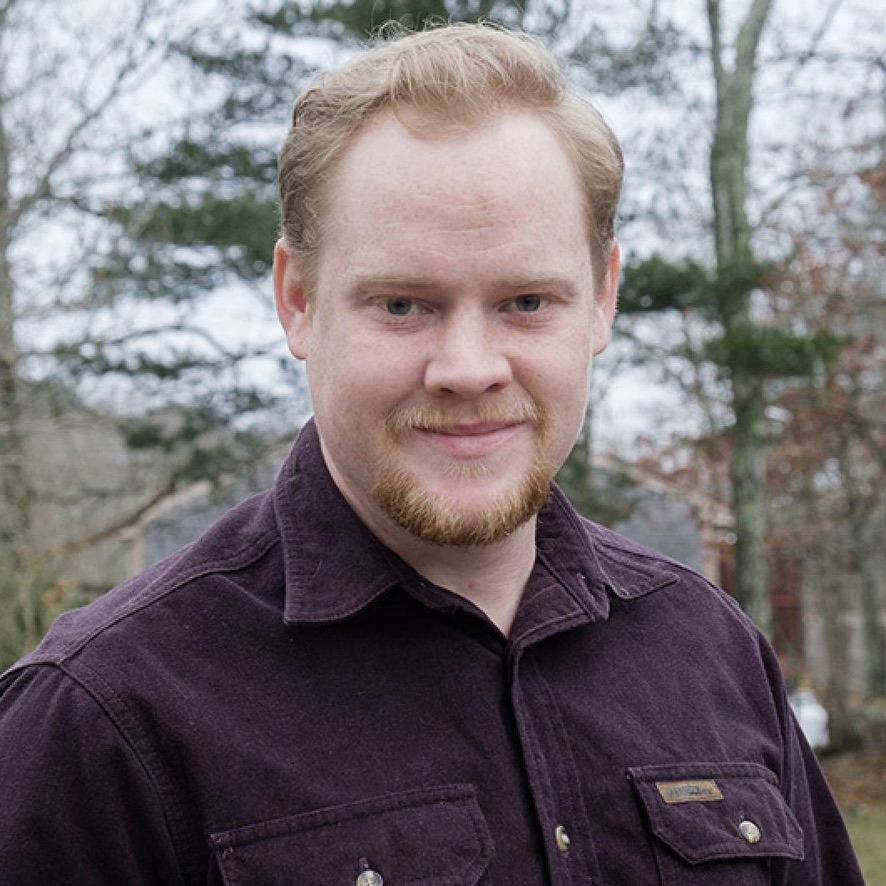
Patrick Roden-Reynolds, MSc
Public Health Biologist
Inter-Island Public Health Excellence Collaborative
Bio
Patrick Roden-Reynolds is Public Health Biologist for the Inter-Island Public Health Excellence Collaboration and Director of the Martha’s Vineyard Tick Program. His background education is in Wildlife Conservation and conducted research under an Area-wide tick control project during graduate school. His current work focuses on education and surveillance of vector-borne conditions and their vector populations.

Shahid Karim, PhD
Professor, Vector Biology
University of Southern Mississippi
Bio--coming soon!

Sam Telford, ScD
Professor of Infectious Disease and Global Health
Tufts University
Bio
Dr. Telford is an epidemiologist focusing on vector-borne infections, mainly those transmitted by ticks. His 40 year career has contributed research serving as the basis for deer management as a means of controlling deer tick-transmitted infections; the development and approval of the first human Lyme disease vaccine; incrimination of new American agents of tick borne disease (Anaplasma phagocytophilum; deer tick virus; Borrelia miyamotoi); and described the ecology and epidemiology of these infections. Dr. Telford’s laboratory is currently funded by NIH grants on the epidemiology of Lyme disease and the biology of human babesiosis. He advises local, state, and national organizations on public health interventions against tick and mosquito-borne infection.
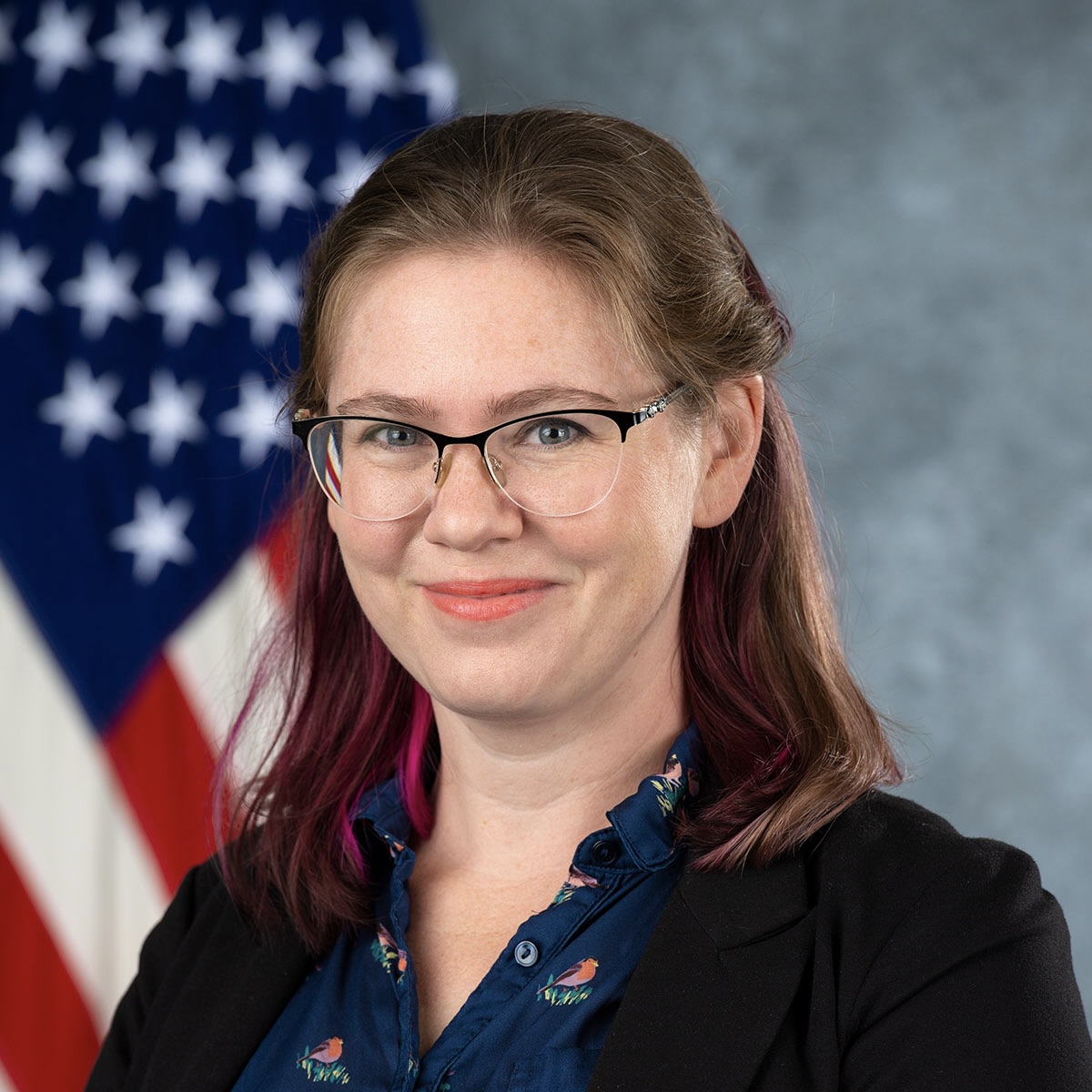
Robyn Nadolny, PhD
Chief, Vector-Borne Disease Branch
Defense Centers for Public Health – Aberdeen
Bio
Dr. Robyn Nadolny is a Biologist and the Chief of the Vector-Borne Disease Branch at the Defense Centers for Public Health at Aberdeen Proving Ground, MD (DCPH-A). There she runs MilTICK, a tick testing program for military beneficiaries. She uses the passive surveillance data generated to better understand changing tick-borne disease dynamics and mitigate risks to US Service Members and their communities. Dr. Nadolny came to DCPH-A in 2016 through after completing her PhD in Ecological Sciences from Old Dominion University (ODU) in Norfolk, VA. She also holds a M.S. in Biology from ODU, and a B.S. in Ecology, Evolution, and Behavioral Biology from Beloit College in Beloit, WI. Her research focuses on the prevention of tick-borne disease through understanding and breaking tick-host-pathogen-environment cycles. Dr. Nadolny has co-authored over 30 peer-reviewed publications, and is interested in the intersection of ecology and public health.
Disproportionately Impacted Populations:
Farmers and Ranchers

Charles Green, MBA
Commissioner
Virginia Department of Agriculture & Consumer Services
Bio
In January 2026, Charles Green was appointed by Governor Abigail Spanberger as the 19th Commissioner of the Virginia Department of Agriculture and Consumer Services (VDACS). A dedicated public servant with the agency since 2005, Green brings over two decades of expertise to the role, including twelve years as Deputy Commissioner.
Previously serving as Director of Marketing and Development, Green was instrumental in expanding domestic and international market access for Virginia agribusinesses. His leadership balances economic development with the agency’s essential regulatory functions, achieved through close collaboration with industry stakeholders and commodity associations.
A graduate of Virginia Tech with a B.S. in Forestry and Wildlife and an MBA from Campbell University, Green’s background is deeply tied to the Commonwealth’s rural industries of agriculture and forestry. Raised in Rockbridge County and having spent part of his youth in Costa Rica, he offers a global perspective on agricultural issues. His personal connection to the industry is anchored in his family farm, located in King William County, Virginia. It was there he contracted Alpha-gal syndrome (AGS) in 2022, a tick-borne condition that uniquely informs his perspective on food safety, public health, and the resilience of Virginia’s agricultural workforce.

Shaun Cross, PhD
Assistant Professor of Environmental, Agricultural, and Occupational Health
University of Nebraska Medical Center
Bio
Dr. Shaun Cross is an Assistant Professor in the College of Public Health at the University of Nebraska Medical Center, where he studies tick-borne diseases and their impact on public health. His work combines surveillance, community surveys, and public education to help people better understand tick-related health risks and inform meaningful public health action. Among his research interests, he is particularly interested in Alpha-gal Syndrome and how it shapes the livelihood of individuals from occupational, personal, and economic perspectives. Through his role with the Central States Center for Agricultural Safety and Health (CS-CASH), he focuses specifically on how AGS affects farmers and ranchers. Dr. Cross is also deeply committed to public education, regularly leading seminars and community outreach on tick identification, bite prevention, and tick-borne diseases across the region. He also serves as Director of the Nebraska Tick Testing (NeTT) program, a free service open to anyone in the United States looking to have ticks identified and screened.
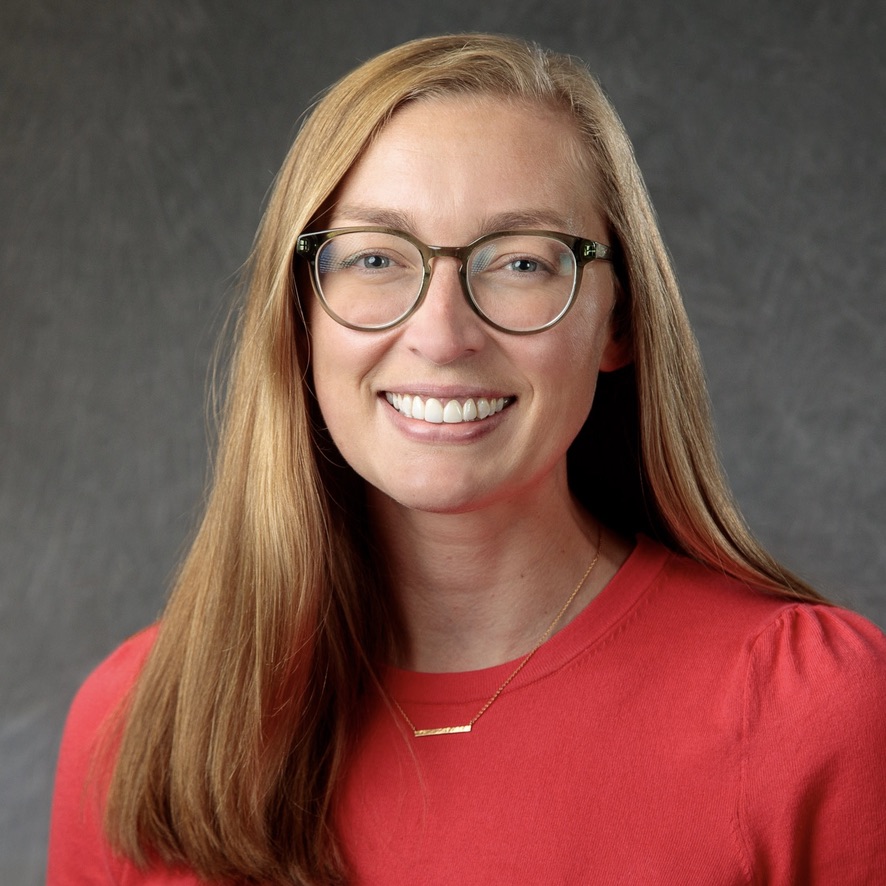
Heather Norman-Burgdolf, PhD
Associate Extension Professor
University of Kentucky
Bio
Dr. Heather Norman-Burgdolf is an Associate Extension Professor in the Department of Dietetics and Human Nutrition at the University of Kentucky. She is also a Co-Director of the UK Food as Health Alliance, providing direction for education and outreach efforts. With a Ph.D. in Nutritional Sciences and a Graduate Certificate in Public Health Essentials from Cornell University, she leads statewide efforts to translate nutrition science into comprehensive, evidence-based programs that improve community health. Her work focuses on chronic disease prevention and nutrition education, particularly in rural and underserved populations.

Constance Gewa, Ph.D., MPH.
Scientific Program Director
Foundation for Food & Agriculture Research
Bio
Dr. Constance Gewa joined the Foundation for Food & Agriculture Research (FFAR) in January 2023 as a scientific program director for the Bolstering Healthy Food Systems Priority Area.
Prior to joining FFAR, Gewa served as an associate professor in the Department of Nutrition and Food Studies at George Mason University. Gewa brings over 20 years of experience in human nutrition and public health research with expertise in conducting research among mothers and children in low-income communities. She has co-authored multiple publications on dietary practices and nutritional status of mothers and children, validity of dietary assessment methodologies, the role of nutrition in improving health and development outcomes among children, nutrition transition and non-communicable diseases in low-income countries and household food security. Gewa has served in multiple committees and initiatives including a USAID Feed the Future Innovation Lab Technical Management and Advisory Committees, the Institute of Sustainable Earth at George Mason University and the Society of Nutrition Education and Behavior. Gewa’s teaching, research and service actively engages partners across multiple disciplines.
Gewa received a doctorate in Public Health from the University of California, Los Angeles. She also earned a master’s degree in Applied Human Nutrition from the University of Nairobi.
Disproportionately Impacted Populations:
Professional Land Surveyors

Alexander "Sandy" Peabody, PLS
South Carolina Director
National Society of Professional Surveyors
Bio
Alexander C. Peabody, PLS, affectionately known to colleagues and friends as “Sandy,” serves as the Treasurer of the Alpha-gal Alliance Action Fund, where he brings both professional expertise and personal conviction to the fight for greater awareness and advocacy around Alpha-gal syndrome. Diagnosed in 2024, Sandy quickly recognized the urgent need for education and support—especially within the land surveying profession.
A licensed professional land surveyor with over three decades of experience in the Charleston, South Carolina region, Sandy is widely respected for his precision, integrity, and tireless advocacy. His career has been defined not only by technical excellence but by his commitment to elevating the profession. He is a Past President of the South Carolina Society of Professional Land Surveyors (SCSPLS) and currently serves as the South Carolina Director to the National Society of Professional Surveyors (NSPS). In these roles, Sandy has championed ethical standards, mentored emerging professionals, and helped shape policies that strengthen the surveying community nationwide.
Beyond his professional achievements, Sandy is a devoted husband and proud father of two, whose love for the outdoors has always been a natural extension of his work. Whether camping, hunting, fishing, or simply exploring the land, his connection to nature has deepened his understanding of the terrain he surveys—and now, it also informs his personal journey with Alpha-gal syndrome. He approaches life with Alpha-gal with the same resilience and optimism that has defined his career.
Whether he’s in the field with a land surveying transit or in the boardroom shaping policy, Sandy remains a steadfast steward of both the Land Surveying Profession and the Alpha-gal community, committed to building a healthier, more informed future for all.
Food Safety, Food Code, Allergen Control
Psychology
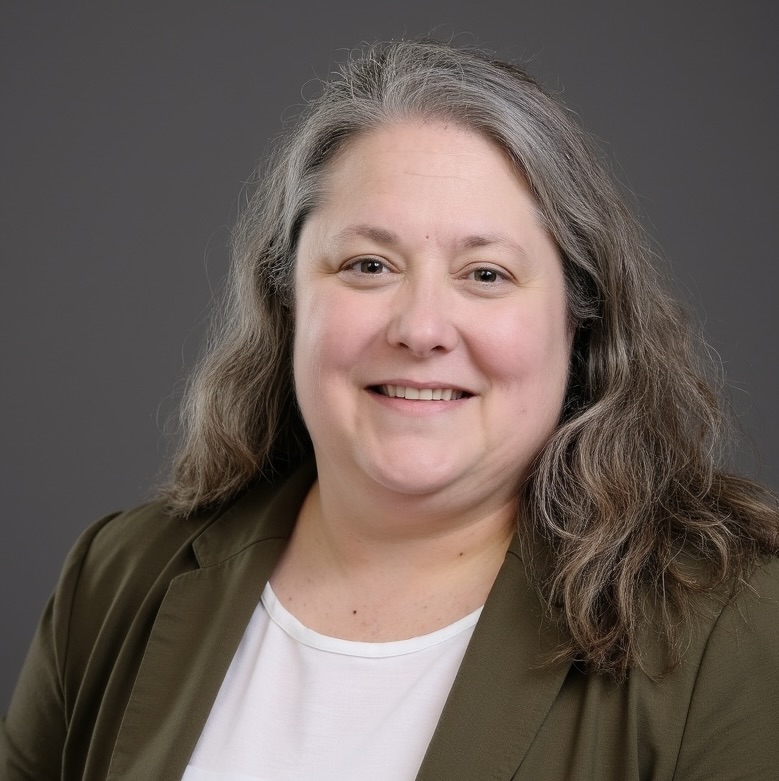
Michelle Hill, CP-FS, CFPM
Consumer Representative, Allergen Committee Chair
Conference for Food Protection
Bio
Michelle HW Hill (CP-FS, CFPM, IHA-HACCP-Certified) is a Culinary Allergen Specialist, ServSafe Allergen SME, and the Consumer Representative on the Executive Board of the Conference for Food Protection (CFP) for 2023–2029. She currently chairs the CFP Allergen Committee (2025–2027), leading national work to update the Major Food Allergen Framework reflected in FDA’s 2024 Supplement to the 2022 Food Code. Michelle has also served on the NEHA Food Safety Committee, advancing conversations on allergen control and risk-based food safety.
A writer and educator, she publishes AllergenFreeCook.com, 9Allergens.com, and MajorFoodAllergens.com, providing practical, evidence-based guidance for operators and consumers. She has authored two allergen-free cookbooks, delivered trainings such as “Allergen Management for School Nutrition”, and leads food safety programs across Minnesota, surrounding states, and online.
With more than 20 years of advocacy and education, Michelle is dedicated to improving the lives of food-allergic individuals through clearer policies, better training, and informed food choices.
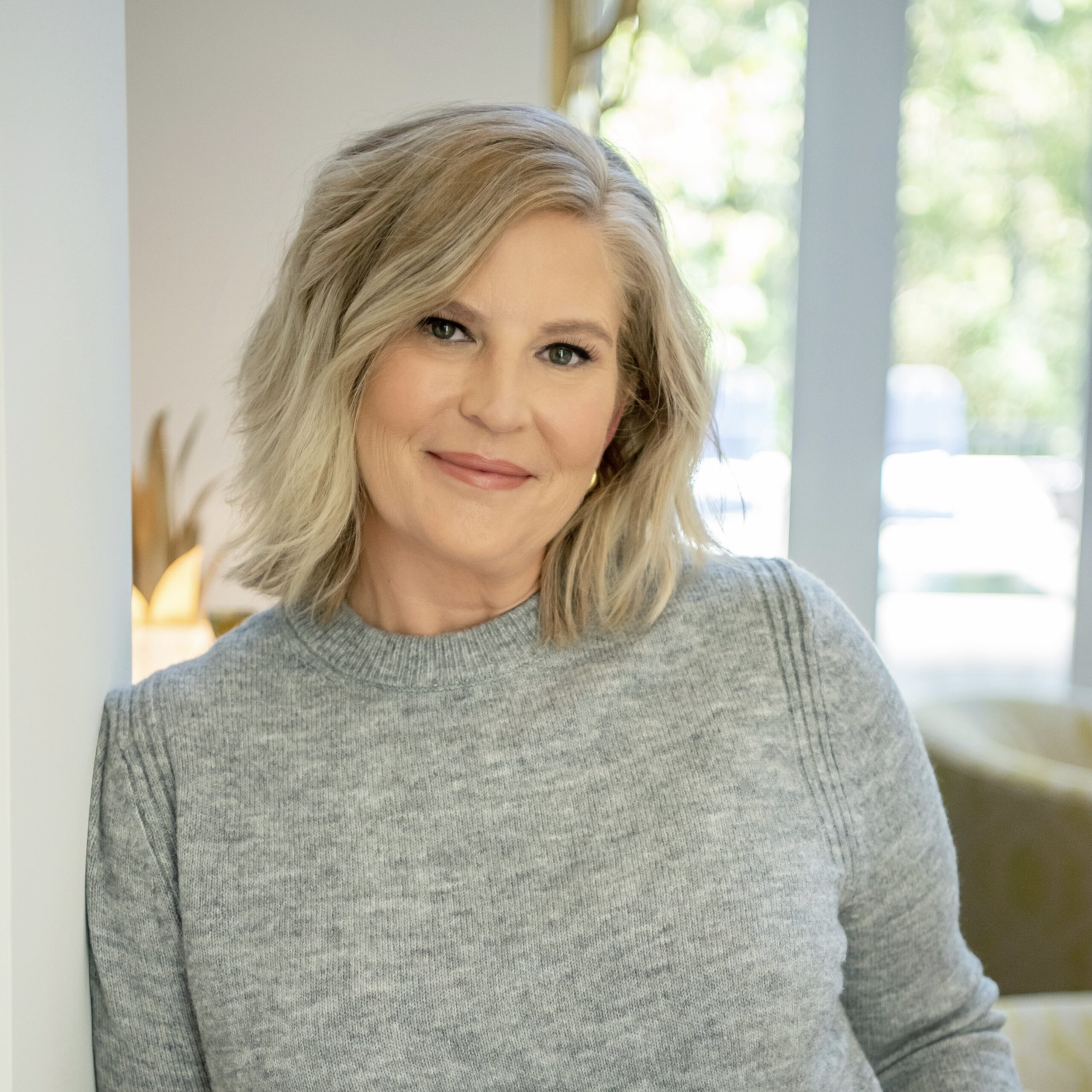
Paige Freeman, PhD
Psychologist
Bio
Dr. Paige Freeman is a psychologist with a special focus on allergic disease, working with both individuals and families navigating life with food allergies. A founding board member of the Alpha-Gal Foundation, she serves as a Behavioral Healthcare Advisor for the Academy of Food Allergy Counseling, having previously held the same role with the Food Allergy Counseling Directory, and is a contributor to FARE (Food Allergy Research and Education).
A sought-after voice in the food allergy community, Dr. Freeman presents at hospitals and medical conferences and provides continuing education for physicians and mental health practitioners on the psychological and clinical challenges of living with food allergies. She also speaks frequently for general audiences, helping patients and caregivers better understand the emotional and practical realities of food allergy life, and is a regular guest on podcasts throughout the food allergy community. Dr. Freeman offers therapy for individuals (ages 9+), families, and groups across 43 states via telehealth.
Animal biotechnology
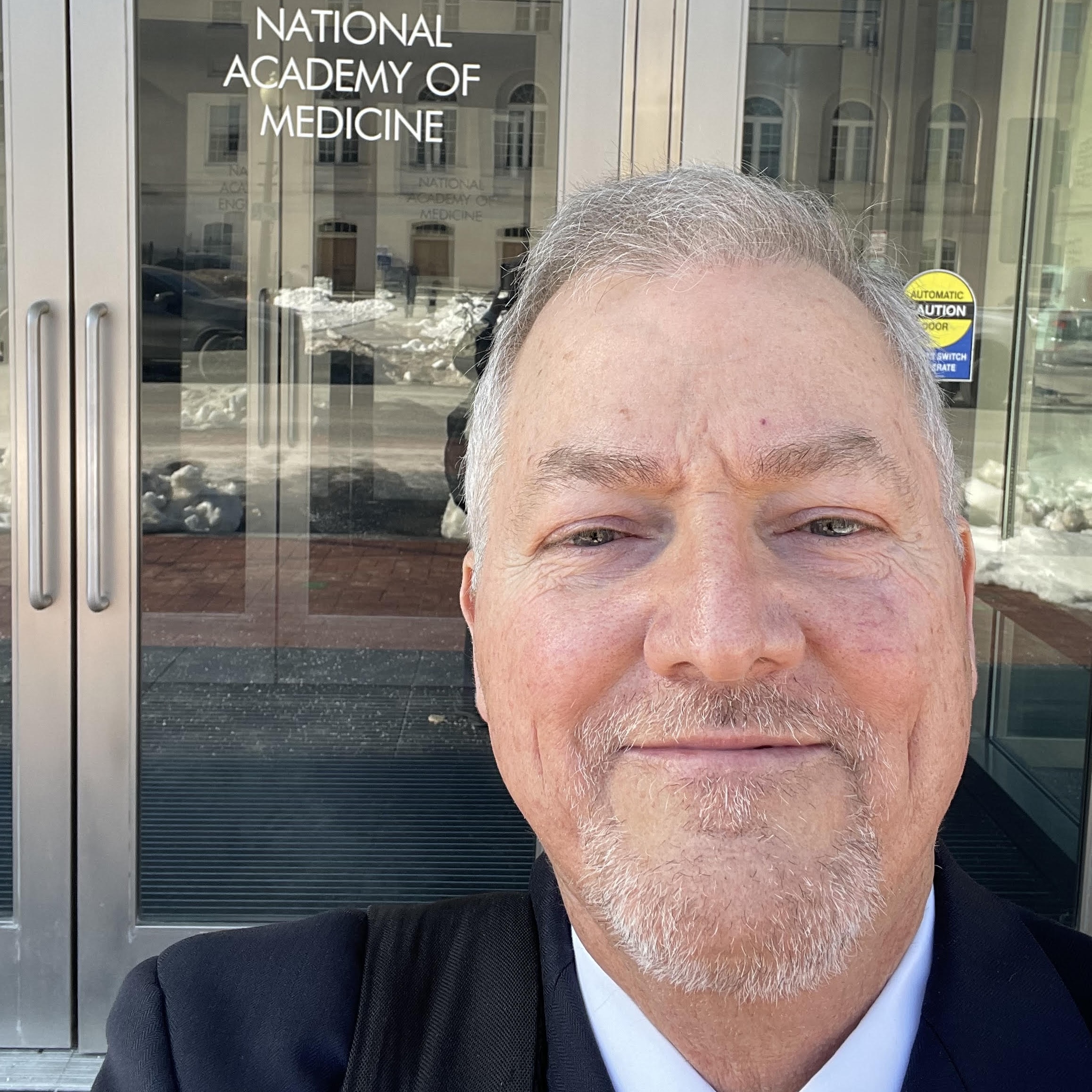
John R Bianchi, PhD
Chief Executive Officer (CEO)
AGNull, LLC
Bio
John R. Bianchi, Ph.D., is an innovative biotechnology leader with more than three decades of experience advancing biomedical products from concept through commercialization. A pioneer in xenotransplantation and animal biotechnology, he played a central role in securing the first FDA approval of a pig with an intentional genomic alteration, the GalSafe pig, for both food and therapeutic use. His regulatory leadership at United Therapeutics and Revivicor supported groundbreaking IND submissions enabling the first pig‑to‑human heart and kidney transplants.
As Vice President of Regulatory Affairs and previously Vice President of Product Development, Bianchi guided cross‑functional teams spanning R&D, regulatory, operations, and quality. He established the scientific and operational foundations for multiple New Animal Drug Applications, built national and international partnerships, and generated new commercial pathways for genetically engineered swine technologies.
Bianchi’s technical expertise includes biomechanics, biocompatibility, sterility, precision machining, and in vivo evaluation across small and large animal models. He is an inventor on more than 25 issued patents and author of over 50 publications and conference presentations.
In 2026, he founded AGNull, LLC, advising sponsors in animal biotechnology and developing novel solutions for patients affected by alpha‑gal syndrome.
Patient Stakeholders and Advocates
Debbie Nichols
Co-founder
The Alpha-gal Foundation
Bio
Debbie Nichols co-founded Two Alpha Gals and the Alpha-Gal Foundation, where she focuses on education, advocacy, and support for those living with alpha-gal syndrome. She is also co-creator of In the Tall Grass, a podcast sharing stories of reinvention, resilience, and rediscovering joy through life’s defining moments.
After nearly a decade of unexplained symptoms, Debbie was diagnosed with AGS in 2019. She combines lived experience with a background in chemistry and creative writing to make AGS information accessible and relatable, and she is passionate about helping others navigate AGS while maintaining connection and quality of life.
She lives with her family on a hobby farm in Blacksburg, Virginia, where they raise sheep and chickens.
Candice Matthis
Co-founder
Alpha-gal Foundation
Bio
I’m Candice Matthis, Co-Founder of Two Alpha Gals and The Alpha-gal Foundation, and I’m on a mission to change how people experience food and find their footing after an alpha-gal syndrome diagnosis. What started as my own journey became a community, and that community became my purpose.
With a BA in Communications from Campbell University and a deep passion for nutrition, I’ve always found ways to bring people together around the table. I taught cooking classes and shared gluten-free recipes with The Blooming Kitchen. Before that, I spent years supporting families through some of life’s most powerful moments as a certified birth doula with DONA, Int.
When I’m not advocating for the alpha-gal community, you’ll find me lifting weights, hitting the trails, or hosting kitchen dance parties with my husband and our three (mostly grown) kids here in Charlottesville, VA. I’m a music lover, a devoted concert-goer, and a firm believer that a good glass of wine makes just about everything better.
I bring warmth, grit, and real lived experience to everything I do because I know firsthand that the hardest chapters can become your greatest purpose.
Sharon Forsyth
Executive Director
Alpha-gal Alliance
Bio
Sharon is the Executive Director of the Alpha-gal Alliance and the Alpha-gal Alliance Action Fund, and the creator of the Alpha-gal Information website, the most comprehensive resource on alpha-gal syndrome.
She served as Director of Conservation International’s Africa Program, President of the Beneficia Foundation, and on the boards of the American Bird Conservancy and Bat Conservation International. Prior to her conservation work, she served as a Peace Corps volunteer in Botswana, where she taught agriculture. She holds a BA in biology and economics.
Sharon contracted AGS while pursuing her lifelong interest in natural history. She lives in Washington, DC with her husband, biologist Adrian Forsyth, who also has AGS.
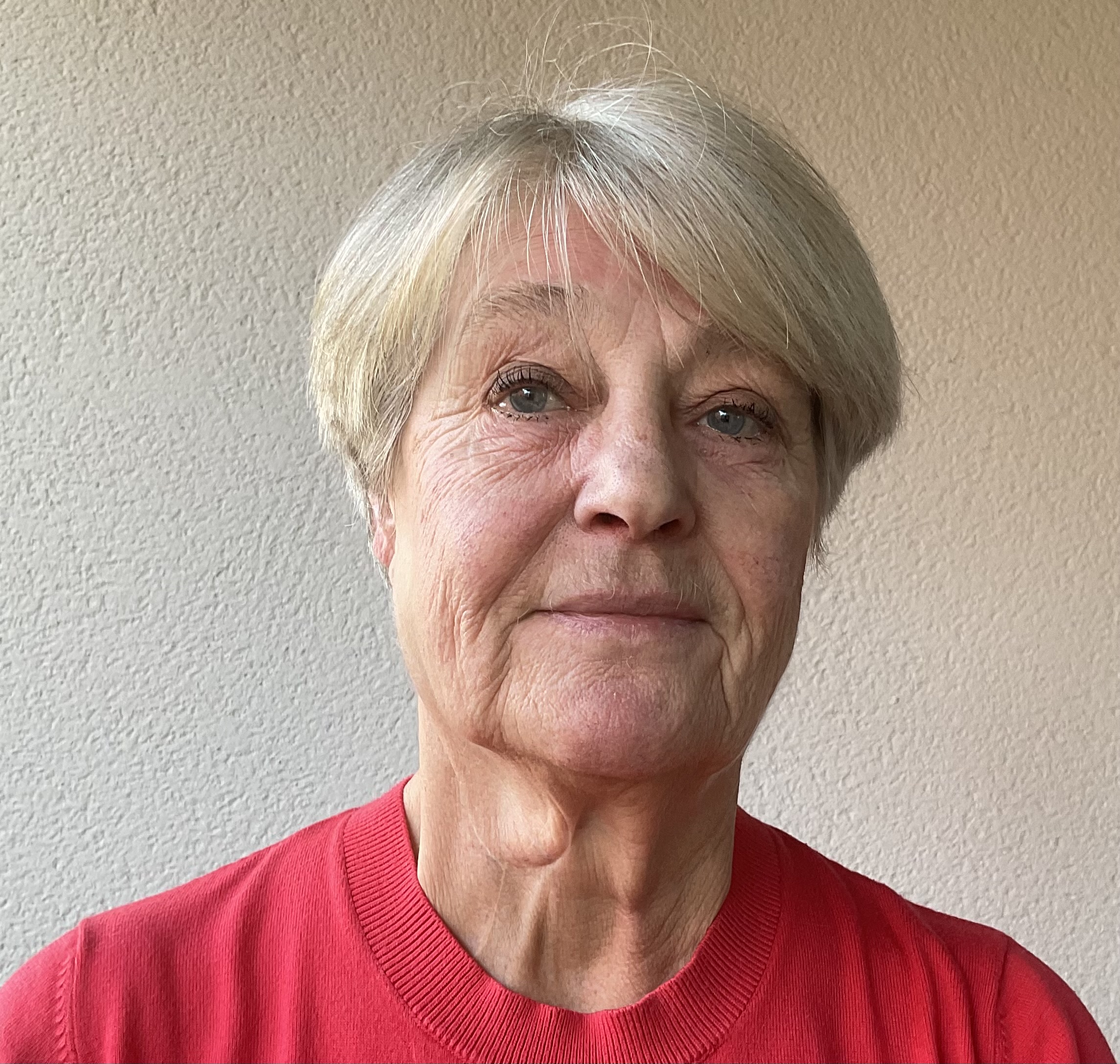
Carin Ottosson MD ,PhD
Senior consultant
Swedish Astma and Allergi Federation sektion for alpha gal syndrom
Bio
I have had AGS since 2022. As a former scientist I started reading articles about alpha-gal and was fascinated about the subject. Early after my diagnose was I engaged in Astma and Allergi federations section for alpha-gal syndrome. Today I am chairman of the section with special responsibility for science.